For a full list of wheelchair fencing clubs across the UK, follow the link to the BF page: https://www.britishfencing.com/fencing-101/disability-fencing-101/wheelchair-fencing-clubs/. Here you will find all those clubs that are accessible, plus those that currently have the appropriate equipment.
Fencing frames are also available at the following clubs:
The Cardiff 2026 Para Fencing European Championships will be the first European-based qualification fixture ahead of the LA 2028 Paralympic Games. It is also the first time that a Para Fencing European Championships has been held in Cardiff.
You don’t need to be a world-class athlete to start. Most local fencing clubs are becoming increasingly accessible and can provide the necessary frames and equipment for beginners. If you’re looking for a sport that combines elegance with "all-in" intensity, it’s time to pick up the blade.
While many sports require adaptation to become inclusive, wheelchair fencing is unique in that it loses none of the speed, intensity, or tactical depth of its standing counterpart. In fact, some argue it’s even more intense: because the athletes are fixed in place, there is no retreating—only the fight.
Whether you are a prospective athlete or a curious spectator, here is everything you need to know about this high-speed Paralympic sport.
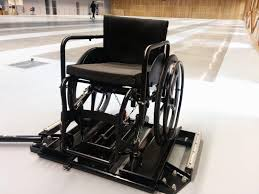
Welsh Fencing are pleased to announce 2 major updates regarding para-fencing in Wales.
We recently secured capital funding from Sport Wales to purchase 2 wheelchair fencing frames and several wheelchairs suitable for fencing.
One of the significant barriers for disabled people to participate in sports and physical activity is the additional equipment needed and its higher cost than equivalent equipment for non-disabled participants. Welsh Fencing is working to reduce that barrier by loaning these frames to strategically placed clubs, initially in Cardiff & Wrexham, enabling more opportunities for wheelchair users across Wales.